“growing coffee” search results (22900)

About the coffee growing belt
Most of the coffee producing areas in the world are located in the tropics between the Tropic of Cancer and the Tropic of Cancer, which we call the coffee belt and Coffee Belt or Coffee Zone in English. As a tropical cash crop, coffee trees grow in coffee belts with excellent climatic conditions, where the sun shines all the year round, is rich in calories and Rain Water, and the annual average temperature is above 20 ℃. But the high temperature
2014-08-08 Coffee knowledge coffee growing belt coffee encyclopedia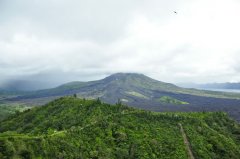
New Oriental Fine Coffee Manor Black Coffee Coffee producing area grows coffee beans
The term "fine coffee" was first put forward by Ms. Knudsen of the United States in Coffee and Tea magazine. At that time, Ms. Knudsen, as a coffee buyer at B.C. Ireland in San Francisco, was very dissatisfied with the neglect of the quality of raw coffee in the industry, and even some big roasters mixed a large amount of Robesda beans in the comprehensive beans, so she put forward the concept of boutique coffee.
2016-06-14 New Oriental boutique coffee manor origin coffee beans
Introduction of coffee growing environment in Rwanda with tropical climate characteristics
The characteristics of Rwandan coffee: the taste of Rwandan coffee is described as grass aroma, with tropical climate characteristics, this coffee presents a sweet fruit taste, it also makes people taste refreshing, clear, and fresh. Bourbon coffee grown in Rwanda is amazing for its sweet fruit. It is full-bodied, full-bodied, unrestrained and memorable.
2016-06-28 With tropical climate characteristics Rwanda coffee cultivation environment region introduction
The growing environment of coffee trees in Ethiopia introduces Ted Manor
Coffee is Ethiopia's most important export cash crop and the main source of Ethiopia's foreign exchange earnings. Ethiopia's coffee exports account for about 3% of the world market, making it the eighth largest coffee exporter in the world. Coffee exports increased steadily from 58000 tons in 1990 to 110000 tons in 1995-1996 and remained at this level in the following years. 2001-2002
2016-06-15 Ethiopia Coffee growth Environment introduction Ted Manor
The growing environment of coffee trees in Ethiopia introduces Ted Manor
Coffee is Ethiopia's most important export cash crop and the main source of Ethiopia's foreign exchange earnings. Ethiopia's coffee exports account for about 3% of the world market, making it the eighth largest coffee exporter in the world. Coffee exports increased steadily from 58000 tons in 1990 to 110000 tons in 1995-1996 and remained at this level in the following years. 2001-2002
2016-06-15 Ethiopia Coffee growth Environment introduction Ted Manor
What conditions do you need to grow Rwandan coffee trees in?
Since the 1920s, Arabica coffee grown in Rwanda has been known worldwide for its distinctive fruity sweetness and intense grassy aroma. In recent years, the Rwandan government has taken active measures to vigorously promote coffee production, establishing coffee production cooperatives in various places, giving farmers technical guidance and financial support, so that coffee production has a good chance.
2016-05-29 cultivation rwanda coffee needs in what environment can global production
Relationship between altitude and coffee flavor
The impact of location on coffee bean flavor is profound. All coffee is grown in the tropics, and the altitude at which it is grown has a profound effect on the taste of coffee. The equatorial regions of the tropical belt, which extends from 30 degrees north latitude to the southern mountains, produce the world's truly premium Arabica coffee.
2014-08-18 Coffee knowledge Elevation Coffee flavor Coffee encyclopedia
What kind of environmental conditions do you need to grow coffee trees? how much is the Alishan mocha coffee?
The origin of the coffee tree is Ethiopia in Africa. In botany, coffee trees belong to the evergreen trees of the subgenus Rubiaceae, and coffee beans, commonly known as coffee beans, are the seeds of the fruit of coffee trees, just because they are shaped like beans, so they are called coffee beans. Climate is the decisive factor for coffee cultivation. Coffee trees are only suitable for growing in the tropics or subtropics, so latitude 25 is south and north.
2016-06-07 Planting coffee need what environment conditions Alishan Mazu less money
Coffee growing worldwide-Guadeloupe Coffee market in Guadeloupe
This group of islands in the Caribbean used to be an important source of coffee. In 1789, more than 1 million coffee trees on 500 hectares produced 4000 tons, while today only 150 hectares are used for coffee cultivation. Coffee growing in Guadeloupe: Guadeloupe used to be the best coffee growing area, but now it no longer exports coffee. Features of Guadeloupe Coffee
2015-08-24 Global Coffee Origin Droe Market Caribbean This Group Islands Past
Suriname, the first country to grow coffee
An important name in the history of coffee. Suriname (Surinam) was the first country in South America to grow coffee, and Norway was once a major importer of coffee products. However, the country's output is very small today, and it is mentioned here only for historical reasons. The Dutch, who settled in Suriname in 1667, introduced coffee trees from Java in the early 18th century. The first coffee trees were made up of
2014-09-27 Coffee knowledge the first country to grow coffee Suriname
Brazil's sugarcane and coffee growing areas may be hit by drought in March next year
According to foreign news on December 18, Brazilian weather service Somar said in a report on Thursday that sugar cane and coffee growing areas in southern Brazil may be hit by drought in March next year. Abundant rainfall is expected in south-central Brazil in January, but it is more irregular, and northeastern Brazil is generally dry in the next 30 days, the report said.
2014-12-22 Brazil sugar cane coffee growing areas next year March suffered drought invasion foreign electricity
The growing coffee consumption market
First, the growing consumer market in the past decade, coffee shops have sprung up in the streets of major cities in China, especially with the entry of Starbucks, Shangdao and other large enterprise groups, the market is showing a lively scene. We can find that the consumer group of coffee is gradually growing, the coffee culture is gradually taking shape in inland cities, and the domestic coffee every year.
2014-04-27 Increasingly big coffee consumer market growing over the years
Why don't you just throw away the coffee beans when you finish the bag? It can also be used to grow flowers!
There are many brands of coffee beans, domestic and imported, no matter where they are, the packaging design is becoming more and more beautiful. You finish the coffee beans and throw them away in the bag? Look at other people, you can also use it to grow flowers!
2015-10-28 Coffee beans finished packing bags directly throw away can also bring grow flowers coffee beans
Planting conditions of coffee trees what kind of environment is suitable for coffee trees to grow in?
However, not all the land located in this area can produce good coffee trees. The ideal planting conditions of coffee trees are as follows: the temperature is between 15 ℃ and 25 ℃, and the annual rainfall must reach 1500 mm to 2000 mm. At the same time, the rainfall time should be in line with the flowering cycle of coffee trees. Of course, in addition to the coordination of seasons and rainfall, there should be fat work.
2016-06-08 Coffee planting conditions tree suitability symbiosis growth what kind of environment however not
Six kinds of world-famous Ethiopian coffee
1. Limu coffee grows between 1400 meters and 2000 meters above sea level. Wash the coffee. Excellent quality, with strong nut aromas, suitable acidity, with the intensity of wine. The annual output is 29000 tons. 2. Jima Coffee grows between 1400 and 1800 meters above sea level. Sun-baked coffee. Slightly sour, with nutty aromas and a long finish. The annual output is 70000 tons. 3. Growth of Gamby Coffee
2014-06-14 Coffee knowledge Essex Coffee Coffee Encyclopedia
Where are the coffee beans grown? Coffee growing belt
Most of the coffee producing areas in the world are located in the tropics between the Tropic of Cancer and the Tropic of Cancer, which we call the coffee belt and Coffee Belt or Coffee Zone in English. As a tropical cash crop, coffee trees grow in coffee belts with excellent climatic conditions, where the sun shines all the year round, is rich in calories and Rain Water, and the annual average temperature is above 20 ℃. But the high temperature
2015-01-29 Coffee beans grow where coffee global most producing areas located in
Six kinds of world-famous Ethiopian coffee
1. Limu coffee grows between 1400 meters and 2000 meters above sea level. Wash the coffee. Excellent quality, with strong nut aromas, suitable acidity, with the intensity of wine. The annual output is 29000 tons. 2. Jima Coffee grows between 1400 and 1800 meters above sea level. Sun-baked coffee. Slightly sour, with nutty aromas and a long finish. The annual output is 70000 tons. 3. Growth of Gamby Coffee
2014-07-02 Essex Coffee Gemma Coffee individual Coffee Fine Coffee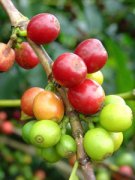
Coffee cultivation is an important coffee growing area in the Caribbean.
Good coffee production has been affected by natural disasters this group of islands in the Caribbean used to be an important producer of coffee. In 1789, more than 1 million coffee trees on 500 hectares of land produced 4000 tons. Today, only 150 hectares of land is used to grow coffee. This decline can be attributed to the increase in sugar cane and banana production and Hurricane HurricaneInes in 1996.
2016-05-19 Caribbean Sea important Coffee planting good production suffered since
The best gold zone for growing coffee in China Pu'er City, Yunnan Province
The excellent quality of Simao coffee brand Simao coffee not only depends on the formation of unique geography and special climate, but also depends on variety, cultivation, harvest, processing, production and so on. Pu'er City focuses on variety selection and technical training in coffee cultivation. Liu Biao said. Since the development of coffee industrialization in Pu'er City began in 1988, Simao has been used since coffee was planted on a large scale.
2016-06-16 China planting coffee best gold zone Yunnan Pu'er City
Where is the coffee growing place in China? what's the quality, flavor and taste of coffee beans in Yunnan, China?
Although Yunnan has an ideal coffee growing climate, Nestl é is also committed to maximizing the output value and crop value of coffee in the region. Nestl é has cultivated coffee seeds suitable for local soil conditions and climate. It provides Yunnan farmers with the most advanced knowledge and technology to improve the growth of the local coffee growing industry.
2022-07-21 China coffee planting can base although Yunnan have ideals